Sammakka Saralamma temple
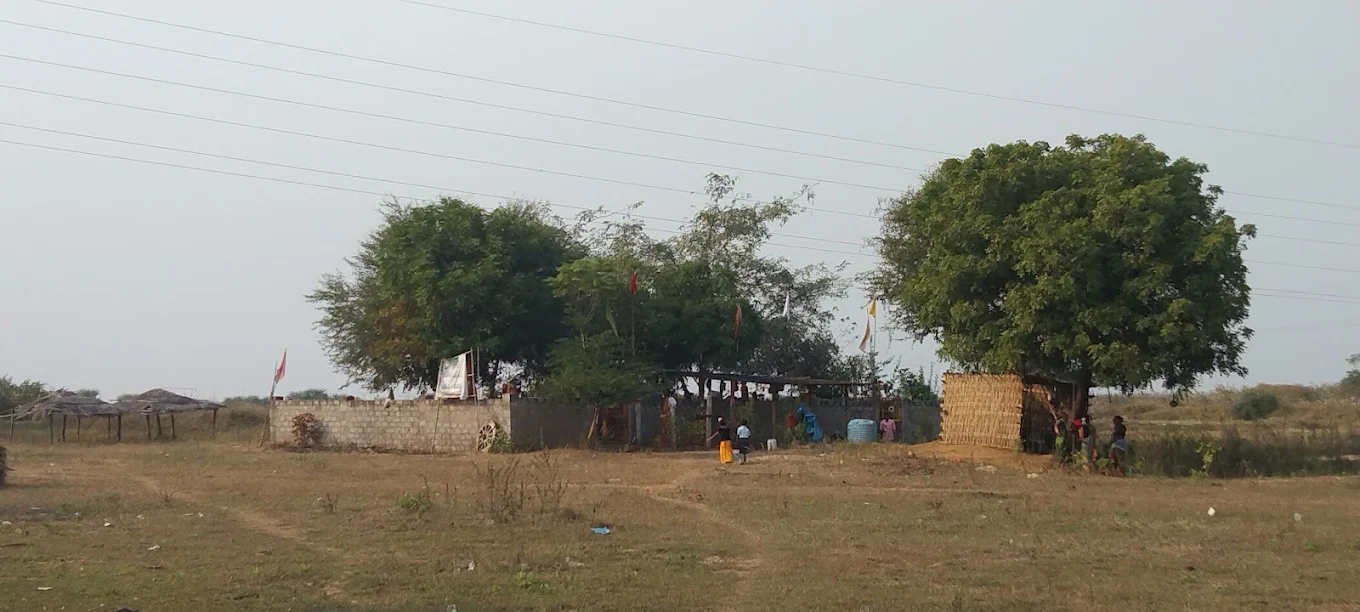
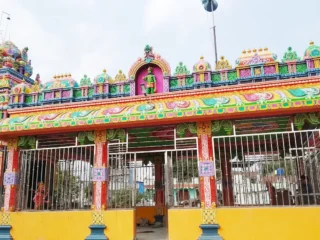
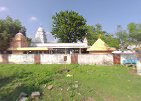
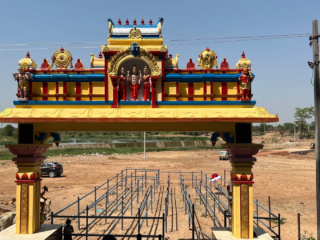
The Sammakka Saralamma Temple, popularly known as the Medaram Temple, is one of the most revered tribal pilgrimage sites in Telangana. Located in Medaram village of Mulugu district, the shrine is dedicated to the tribal mother-daughter deities Sammakka and Saralamma (also called Sarakka), who are worshipped as symbols of courage, sacrifice, and protection of tribal communities.
Historical Significance
According to Koya tribal tradition, Sammakka and her daughter Saralamma fought against the rulers who imposed unjust taxes on tribal people. They sacrificed their lives defending their community and were later deified by the Koya tribes. The temple is unique because it honors historical tribal heroines rather than mythological gods or goddesses.
Temple Features
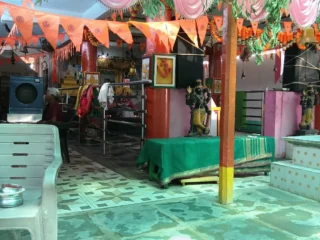
- The shrine does not contain conventional stone idols.
- The deities are represented through sacred symbols and ritual objects placed on raised platforms called Gaddelu.
- Worship follows traditional Koya tribal customs and rituals.
- The surrounding forest area is considered sacred by devotees.
Medaram Jathara
The temple is famous for the Sammakka Saralamma Jatara, held once every two years. It is recognized as Asia’s largest tribal religious gathering, attracting millions of devotees from Telangana and neighboring states. Devotees offer jaggery (called “Bangaram” or gold) equal to their body weight as a symbol of gratitude and devotion.
Rituals
- Holy bath in Jampanna Vagu
- Offering jaggery to the goddesses
- Tribal dances, drum performances, and traditional ceremonies
- Procession of the deities from nearby villages to Medaram during the Jathara
Why It Is Special
The temple represents the rich heritage of Telangana’s tribal communities and stands as a symbol of resistance against injustice. After the Kumbh Mela, the Medaram Jathara is often regarded as one of India’s largest religious congregations.
Although this temple is in Mulugu district, many devotees from Komaram Bheem Asifabad District visit it because of the strong cultural connection among tribal communities across northern Telangana.